TheoPhilos focuses on the theoretical foundations and the overarching frameworks of conservation, restoration and preservation practice in our globalizing world. As these foundations and frameworks shift in response to contemporary challenges and developments, TheoPhilos aims to establish and strengthen the integrated theoretical basis for all those involved with cultural heritage, drawing together the contributions of multiple disciplines.
TheoPhilos Mission Statement
Welcome to the International Committee on Theory and Philosophy of Conservation and Restoration (TheoPhilos)! In 2026 we are celebrating the 20th anniversary of our first meeting, held in Krakow in 2006. Since then, TheoPhilos has provided the leading forum for developing the relation of conservation theory to practice in dialogue with all parts of the conservation community, and with a consistent record of publication. Please see below for details of forthcoming events, and our Membership page for a list of current members, and for details of how to join.
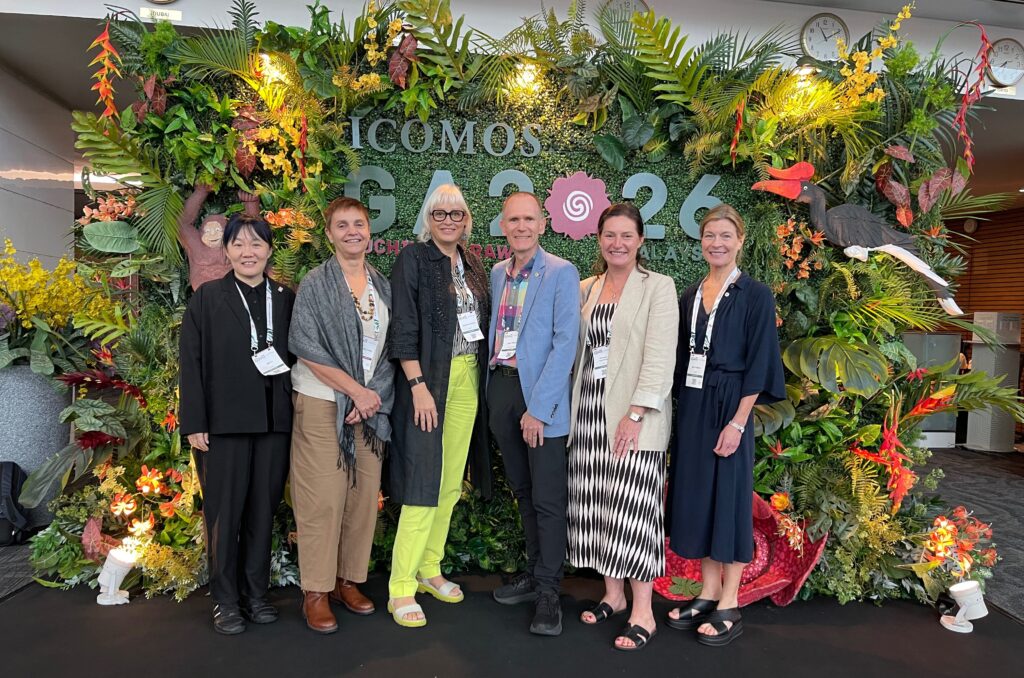
A group of seven TheoPhilos members attended the well-organised GA2026 in Kuching, Malaysia (Ave Paulus was sadly unavailable for the group photo). The conference attracted some 1,500 delegates, and included the election of a new Board, with Grainne Shaffrey of ICOMOS Ireland elected as President.
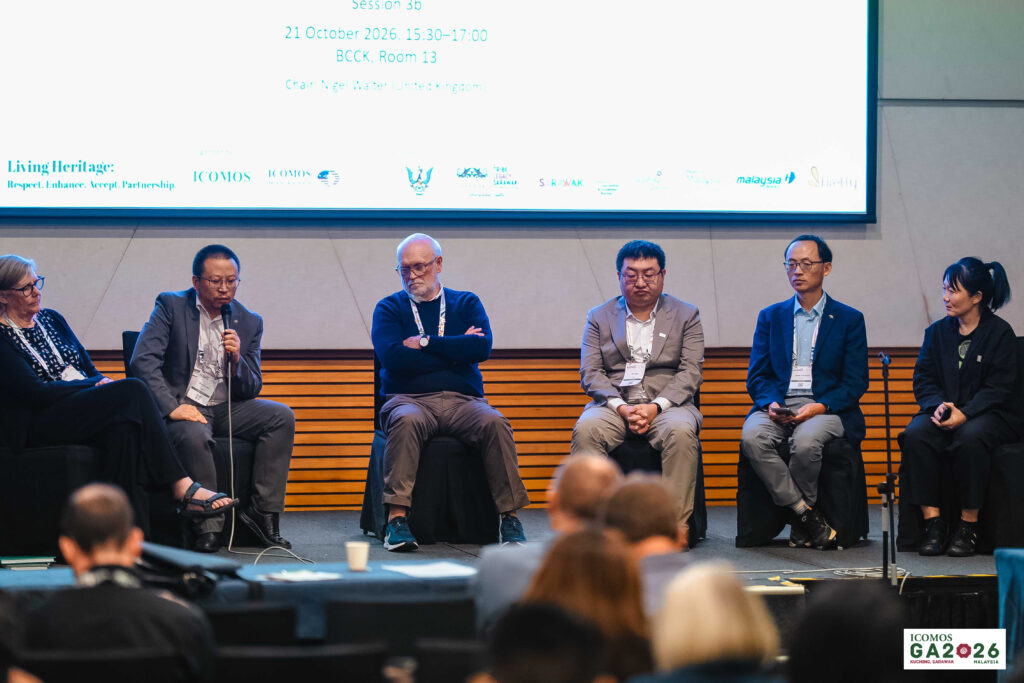
On behalf of TheoPhilos, Claudine Houbart and Nigel Walter organised two 90-minute Scientific Symposium sessions on the topic of “’Doctrinal’ Texts in an Age of Living Heritage: What/Who are They For, and Do We Still Need Them?” The contributions were as follows:
Universalism and Living Heritage – Shirley Cefai (Malta)
The Holy Grail of Conservation Doctrine? Questioning the Relevance of Authenticity to Living Heritage Sites – Nigel Walter (United Kingdom)
“Beauty” as a Bridge Between Tangible and Intangible Heritage – A New Hope for the 21st Century? – Martin Horáček (Czech Republic)
Heritage as the Medium of Identity, Agency, and Practical Reason: Toward a Functional Universalism – Fernando De Jesús Castorela Nuñez (Mexico)
Are ICOMOS’s founding doctrinal texts living or dead documents? – Claudine Houbart (Belgium)
Living Heritage Under the Shadow of the Sacred? Challenges to Western Doctrinal Texts from a Tibetan Community in China – Yang Yuliang (China)
Life Matters: Reclaiming Universalism through Life and Matter in the Age of Living Heritage – Xie Li (China)
Fire Risk Management Emerging from Cultural Contexts Reflections on the ICOMOS Guidelines on Protecting Cultural Heritage from Fire – Douglas Evans (United Kingdom)
From Reference to Internalization: The Influence of ICOMOS Doctrinal Documents on China’s Cultural Heritage Conservation Concepts – Fu Zijie (China)
Who Are Doctrinal Texts For? Living Heritage, Local Governance, and the Making of a “Republican-Style” Heritage Image in the Renewal of Yuantian Street, Huili Ancient City, China – Chunlin Bian (New Zealand)
What about our own cultural values and biases? a doctrinal provocation – Catherine (Kate) Clark (Australia)
TheoPhilos members Malin Myrin and Katarzyna Pałubska also prepared posters.
We chose Pecha Kucha format for the contributions – speakers were limited to around seven minutes, which left space for a prolonged discussion of the issues raised by the speakers. These discussions were very valuable, encouraging and enabling speakers to elaborate on their arguments, but also to enable attendees to be active participants in the dialogue.
We were delighted with both the form and the content of the two sessions, and the feedback we received from participants was extremely positive.
Attending the GA was an opportunity to engage with the wider ICOMOS family. While Malaysia is a long way to go for those of us in Europe, the opportunity to network in such a diverse and global setting was a privilege. We are already planning towards next year’s GA, which will take place in Lahore, Pakistan.
We will be holding a session as part of the Scientific Symposium of the General Assembly 2026 in Kuching Malaysia in October (please see the call for papers); more details to follow.
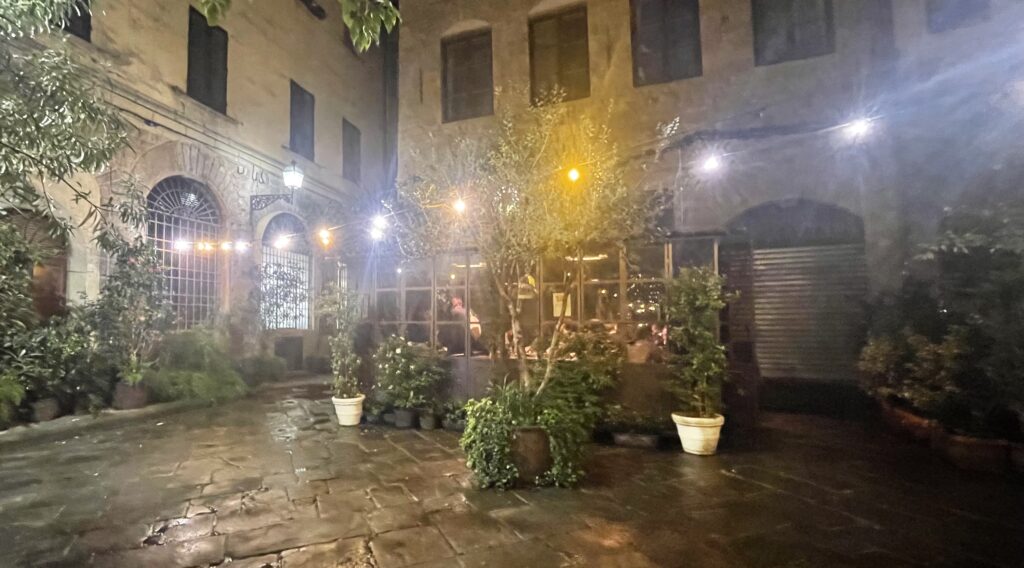
Dates for our Spring 2027 conference in Florence are confirmed as Tuesday 9 – Wednesday 10 March; conference title and Call for Papers will be announced by mid-November.